Table Of Content
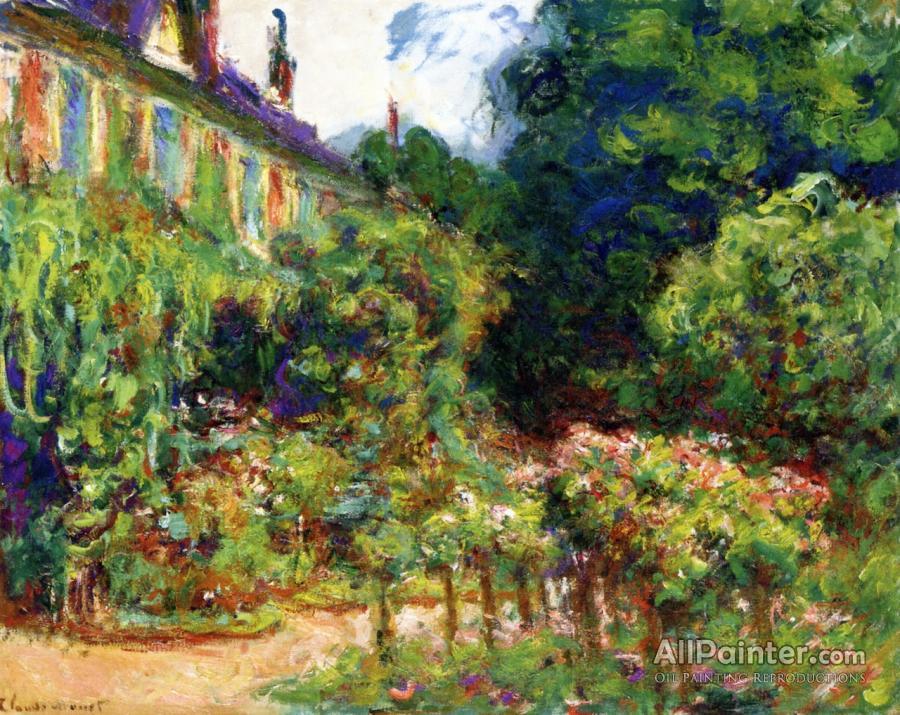
Discover all our tips for renting a car in France fromOrly, Roissy-CDG or Beauvais airports. We were overwhelmed by the soul of the place, with all its perfectly preserved period objects. Take the time to observe every detail, because from the bedrooms to the kitchen and dining room, we wanted to look at everything up close with curiosity. A range of activities is available for your little ones, including a game booklet and worksheet, a route sheet and a virtual tour… You’ll have plenty to keep them busy! The gardens are accessible to people with reduced mobility and baby carriages, although some of the paths are a little narrow. The Gardens and House of Claude Monet are part of the Claude Monet Foundation, 84 Rue Claude Monet, Giverny (27620), Normandy, France.
Need information about traveling in Normandy? We may have the answer:
Courses de taureaux is an early Picasso work depicting a classic Spanish bullfight. Per Sotheby’s, Picasso’s paintings of bullfights, a recurring subject across his vast oeuvre, do not appear often at auction. Sotheby’s will auction Claude Monet‘s Meules à Giverny (1893) in its modern art evening auction on May 15. The house has has estimated that the work sell for a sum “in excess of $30 million”. The Met Collection API is where all makers, creators, researchers, and dreamers can connect to the most up-to-date data and public domain images for The Met collection. Open Access data and public domain images are available for unrestricted commercial and noncommercial use without permission or fee.
Claude Monet’s House and Gardens (Giverny): tips + photos
You Can Now Crash at Claude Monet’s Dreamy Blue House in France for a Très Cheap $226 - Observer
You Can Now Crash at Claude Monet’s Dreamy Blue House in France for a Très Cheap $226.
Posted: Tue, 16 Apr 2019 07:00:00 GMT [source]
Claude Monet is said to have often repeated, “I don’t need a studio, my studio is the open air”. In fact, he has turned the estate into a veritable open-air space for work and inspiration. Monet's paintings of the gardens, especially the sites' pond with water lilies, are exhibited in dozens of major collections. The auction house estimates Meules à Giverny (1893) will sell in excess of $30m at the Modern evening auction on 15 May.
Enter an iconic lily garden.
First is Monet’s bedroom, meticulously reproduced down to the last detail in 2013 by Hubert Le Gall. Artwork and other items from Monet’s day are displayed, including reproductions of paintings by his friends, Cézanne, Renoir, Signac and Caillebotte. As you’ll see as you stroll along the paths, the gardens are a real work of art.
Classic Paris & the Normandy D-Day beaches
Its first owner was the American landscape painter Dwight Blaney, who purchased it in Paris before bringing it to the US in 1895. He then lent it to the Museum of Fine Arts, Boston, and other institutions. Ever since Blaney brought the painting across the Atlantic, Meules à Giverny has remained exclusively in US collections, according to Sotheby’s.
The water garden is marked by Monet's fascination for Japan, with its green Japanese bridge and oriental plants. The now famous water lilies were meticulously tended by a gardener employed for that sole purpose. The great Impressionist Claude Monet spent a lot of time outdoors painting his magnificent gardens, and that’s where we typically think of him—at an easel, under the sun. What we don’t often consider is the home and studio on the edge of his sprawling property, where the master lived and sometimes worked. After arriving at Giverny in 1883, Monet spent the last 40 years of his life at this beloved home.

Certainly, the interior design of each room was a creative task for Monet. Every detail, such as the wallpaper, paintings on the wall, furniture, and even the views from each window, is carefully thought-out. The Clos Normand is a romantic-style garden featuring elegant metal archways with climbing plants and flowers. Walk along the central path to enjoy countless varieties of flowers (including irises, poppies, daffodils, tulips, and peonies) and trees (primarily apricot and apple).
A Romantic Break in Rouen, one of France’s top cities!
Similarly, a reoccurring motif in his paintings is the bridge that crosses the pond. We can only wonder if Monet had any idea of how emblematic the image of this bridge would become. He chose this Japanese-style wooden bridge in 1895 and visitors to his house can still walk across it today. The most famous paintings including the bridge are in London at The National Gallery and in Washington at The National Gallery of Art.
Private Guided Tours
The long years Monet spent at his house in Giverny would turn it into a place of artistic pilgrimage, even in his lifetime. He settled here with his companion Alice Hoschedé and their respective children, and lived here until his death in 1926. In Giverny, the famous water lilies that inspired Claude Monet bloom from May to September. You can admire the Bassin aux Nymphéas in the Jardins du peintre jardinier. The flowers open in the morning and close again in the evening, their opening and closing depending on light and heat. Inside the house, rooms have been restored to their 19th century condition, just as they were in Monet’s time.
Crucially, Monet’s en plein air method meant that he spent most of his time painting in his garden. This was to become the setting for some of his most famous paintings – the Water Lily series. This encompasses 250 large oil paintings that are now spread across galleries around the world.
More than any other artist I know of, Monet used the surroundings of his home as inspiration for his artworks. He transformed the nature around him into paintings that would completely change the way we look at color and landscapes. The tour continues through to the bedroom of Monet’s wife Alice, followed by that of Alice’s daughter Blanche, who married Monet’s son Jean and lived in the house until her death in 1947. Once more reproduced by Le Gall, Blanche’s room was opened to the public for the first time in 2014, and was inspired by the interior design of the time so as to recreate Blanche’s surroundings as accurately as possible.
He entrusted it to the care of his sister-in-law Blanche, who lived there until her death in 1947. The house then fell into disrepair and the garden was left to grow into a jungle. In his will, he bequeathed the property to the Académie des beaux-arts, which did not have the means to restore it. The roof was nevertheless redone, the collection of Japanese prints protected, and what remained of the Monet’s canvases transported to the Musée Marmottan, now Musée Marmottan Monet.
Marc Chagall was even photographed in Giverny when he visited Claude Monet. The Gardens of Giverny and the House of the painter Claude Monet owe their renown first and foremost to their sumptuousness. When he created this magical garden from scratch at the end of the 19th century, his ambition was to have a colorful plant park all year round. Iris, carnation, rose, dahlia, daffodil, water lily, weeping willow, bamboo, Japanese cherry… A host of plant species live together to delight your eyes.
This detail of the "Clos Normand" garden at Giverny provides another glimpse of the incredible palette of colors visitors encounter in Monet's gardens. It isn't unusual to see aspiring painters gather for workshops here, focusing on the interplay between color and light in the garden and trying their hand at Impressionist techniques. Created from scratch by the artist on his arrival far from the hustle and bustle of Paris, this garden enabled one of the founders of Impressionism to devote himself to his art while providing a home for his family. He cares for his garden as if it were the apple of his eye, for its flowers are his true source of inspiration for his work.
Claude Monet’s house and gardens in Giverny are the second most visited tourist attraction in Normandy, France, and attract visitors from around the world between 29 march and 1 November. This later became a smoking room where he hosted visiting art dealers, collectors, and critics. Although no original works by the artist are there today, the copies of his paintings presented throughout the house help us to understand how it would have looked when Monet lived there. Giverny lies on the bank of the River Seine in Normandy, close to the town of Vernon. Were it not for the arrival of the renowned Impressionist painter Claude Monet in 1883, the village might have remained a quiet provincial backwater.


No comments:
Post a Comment